The Latest AI Models Are Here. What That Means for Education
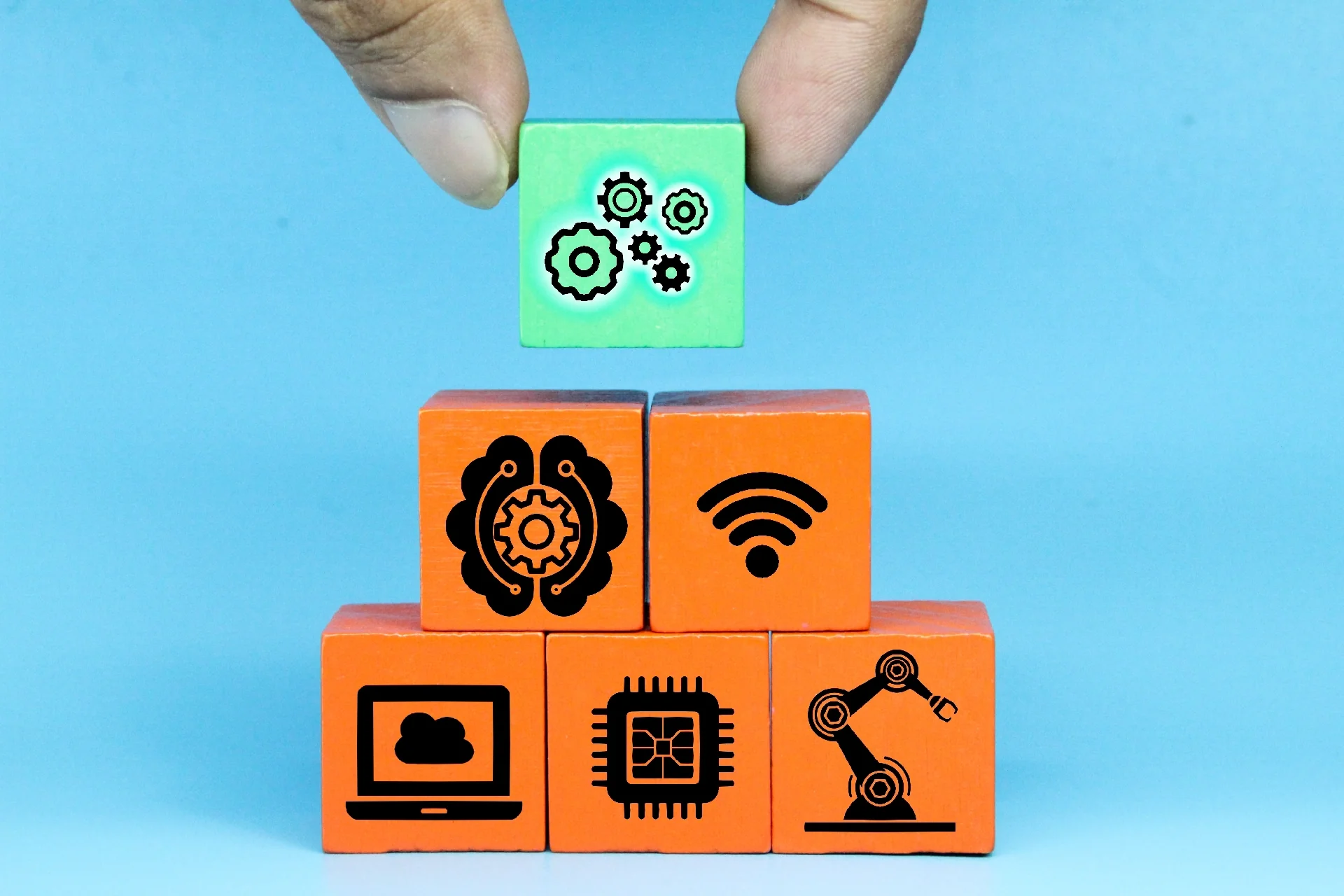
AI is moving fast.
Over the past year, companies like OpenAI and Anthropic have released new versions of their large language models that are significantly more capable than before.
These are not small upgrades. They represent a shift in what AI can actually do in real-world settings, including classrooms.
What Has Actually Improved
The newest models behind tools like ChatGPT and Claude are getting better in a few key areas:
- Reasoning. AI can now handle more complex, multi-step problems. It can break down questions and work through them in a more structured way.
- Context and memory. Models can follow longer conversations and keep track of details across multiple steps.
- Accuracy. There is a stronger focus on reducing incorrect answers and improving reliability.
- Instruction following. AI is better at understanding what the user is asking and delivering more relevant responses.
- Multimodal abilities. Many models can now work with text, images, and sometimes audio, making them more flexible learning tools.
These improvements make AI feel less like a search tool and more like a thinking partner.
The Rise of More Advanced Models
Recent model updates from major companies include:
- OpenAI releasing more advanced versions of its GPT models with stronger reasoning and broader capabilities
- Anthropic improving its Claude models to better handle long documents and complex instructions
These systems are being designed to:
- Handle deeper tasks
- Support longer interactions
- Provide more structured and thoughtful outputs
In simple terms, they are becoming more useful in real learning environments.
Why This Matters for Students
For students, this changes how AI shows up in their learning process.
AI is no longer just helping with quick answers. It can now:
- Walk through problems step by step
- Help revise and improve writing
- Act as a study partner
- Support ongoing projects over time
This can be incredibly helpful, especially for students who need extra support.
But it also changes how students approach learning.
The New Risk. Over-Reliance
As AI becomes more capable, it becomes easier to depend on it.
Students may:
- Ask AI to solve problems instead of attempting them
- Accept answers without questioning them
- Skip the struggle that is often needed to learn deeply
This is not a technology problem. It is a learning design problem.
What This Means for Teachers
These new models raise an important question.
If AI can do more of the work, what should students focus on?
The answer is shifting toward skills that AI cannot replace easily:
- Critical thinking
- Communication
- Reasoning
- Creativity
- Asking the right questions
Teachers will need to design experiences where students:
- Use AI as a tool
- Still engage in the thinking process
- Reflect on how they arrived at answers
A New Role for AI in the Classroom
With these latest models, AI is becoming something closer to a learning assistant.
It can:
- Support personalized learning
- Provide instant feedback
- Help students explore ideas more deeply
But it works best when guided.
Without structure, it can lead to shortcuts. With structure, it can enhance understanding.
Final Thought
The latest AI models are not just faster or smarter.
They are changing how learning can happen.
The challenge is not whether to use them. It is how to use them in a way that helps students think, not replaces thinking altogether.